The useful starting point
Selecting an ecommerce customer experience platform involves balancing your current store infrastructure with the need for unified customer journey management. You should prioritize tools that integrate seamlessly with your existing tech stack while considering the stability of features currently in public beta.
Finds to explore with this guide
Klaviyo's The Ecommerce Customer Experience Platform
This platform is in public beta and specifically targets English-language Shopify brands, offering a unified customer experience hub. Buyers should verify the current feature set and stability for their specific business needs during this beta phase.
See retailer details View this findKlaviyo Personalization Tools to Optimize the Customer Journey
This offering from Klaviyo is an add-on to their existing marketing platform, focusing on advanced analytics. It is best suited for current Klaviyo users looking to expand their data capabilities, but prospective buyers should verify the specific features included and how they integrate with their current Klaviyo plan.
See retailer details View this find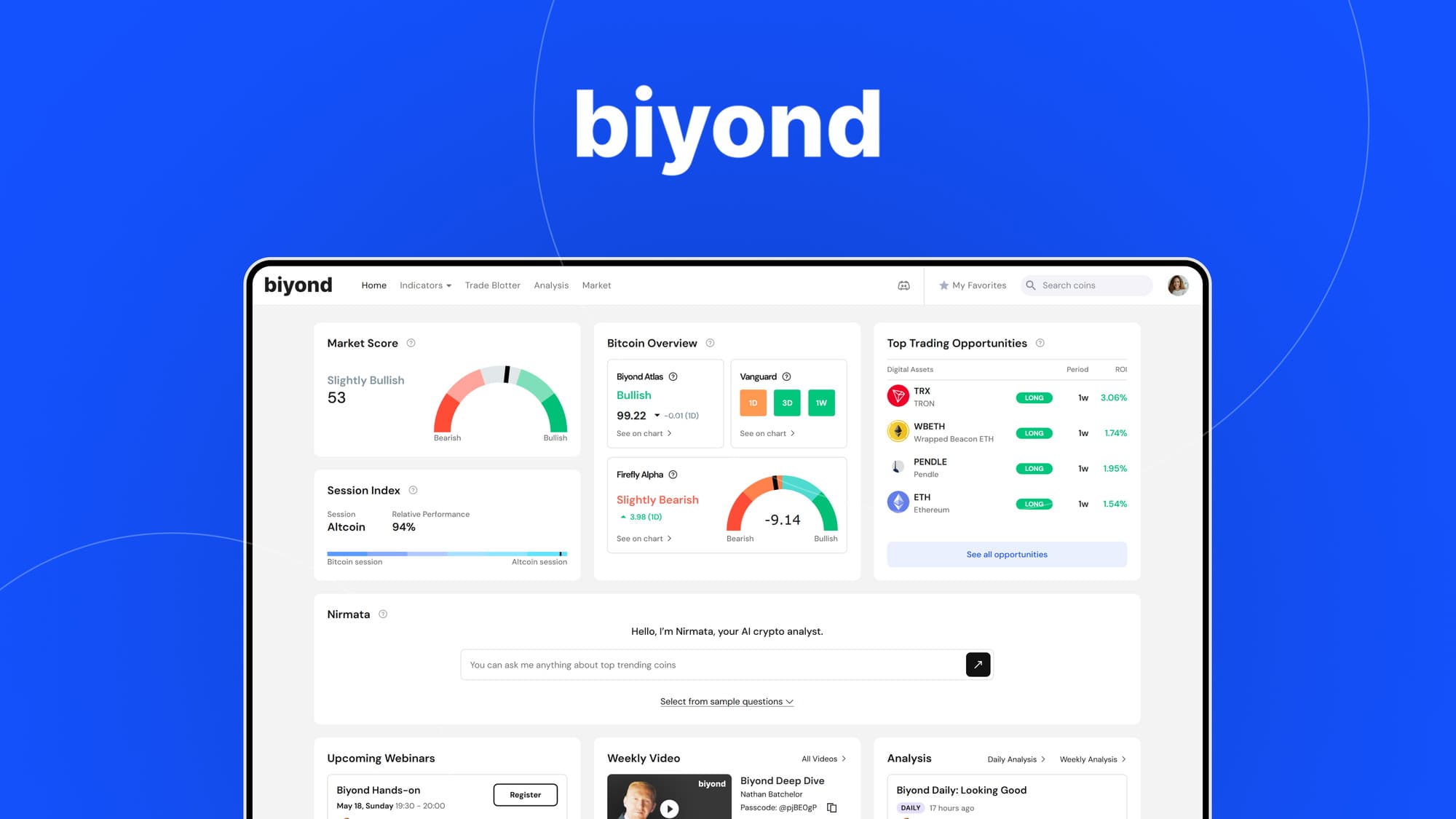
Biyond Crypto Analysis Platform
Biyond offers a specialized toolkit for quantitative crypto analysis, which may suit traders who prioritize data visualization like liquidation maps. However, the current absence of copy trading features due to regulatory considerations is a significant limitation for those seeking automated social trading workflows.
$59Last recorded price View this findUnderstanding the Ecommerce Customer Experience Platform Landscape
When evaluating an ecommerce customer experience platform, the primary goal is to centralize the customer journey from discovery through to post-purchase support. Modern solutions aim to act as a one-stop destination for your online store, allowing shoppers to manage their interactions without leaving your ecosystem. For instance, tools like the Klaviyo Customer Hub are designed specifically for Shopify brands, providing a signed-in experience that streamlines the path to purchase. Because these platforms often operate in public beta, it is essential to assess whether the current feature set aligns with your immediate operational requirements. You are not just buying software; you are choosing a framework that will dictate how your customers interact with your brand's digital storefront. Before committing, consider the platform's compatibility with your existing store architecture and whether it supports the specific language and regional requirements of your customer base. A robust platform should reduce friction in the buying process, turning a standard transaction into a cohesive brand experience.
Key Considerations for Your Business Needs
Your choice of platform should be dictated by your current technical maturity and the specific gaps in your customer journey. If you are already using a marketing automation suite, you might look for add-on tools that provide advanced analytics rather than a standalone platform. For example, Klaviyo offers personalization tools that integrate with their existing marketing plans to boost retention and revenue through deeper customer insights. When deciding between a comprehensive hub and a specialized analytics add-on, ask yourself whether you need a new interface for your customers or simply more data for your internal team. If your primary pain point is customer retention, advanced analytics might be the priority. If your goal is to provide a better self-service portal for shoppers, a customer hub is the more appropriate investment. Always verify if the tool requires a specific platform like Shopify or if it is platform-agnostic, as this will significantly impact your implementation timeline and resource allocation.
Comparison of Platform Approaches
To help you decide, consider the following comparison of how different software approaches address customer experience. A Customer Hub focuses on the shopper-facing interface, while Marketing Analytics tools focus on the backend data. | Feature | Customer Hub | Marketing Analytics Add-on | | :--- | :--- | :--- | | Primary User | End Consumer | Marketing Team | | Core Benefit | Self-service management | Data-driven retention | | Integration | Shopify-specific | Existing marketing suite | | Complexity | Moderate (Beta) | Low (Plug-in) | If you are a Shopify merchant looking to improve the post-purchase experience, a Customer Hub provides a direct, branded portal for your users. Conversely, if you are already deep into a marketing ecosystem and need to optimize your campaigns, an analytics add-on is likely to provide more immediate value without requiring a complete overhaul of your customer-facing pages.
Decision Worksheet: Selecting Your Platform
Use this worksheet to narrow down your requirements before making a final decision. 1. Is your store built on Shopify? (Yes/No) 2. Do you need a customer-facing portal or internal analytics? 3. Are you comfortable using software that is currently in public beta? 4. Does the tool integrate with your current email or SMS marketing platform? 5. What is your primary goal: increasing conversion or improving post-purchase support? By answering these questions, you can determine if you need a broad-scope hub or a targeted analytics solution. If you find that you need both, check if your current provider offers a modular approach that allows you to scale your features as your business grows. Avoid choosing a platform solely based on the breadth of its features; instead, focus on the specific tools that solve your most pressing operational bottlenecks.
Actionable Questions for Retailers and Providers
When you are ready to engage with a provider, ask these specific questions to ensure the platform is a good fit. First, ask for a clear roadmap regarding the transition from public beta to general availability, especially if you are considering a Customer Hub. Second, inquire about the specific data points included in their analytics add-ons to ensure they provide the actionable insights you need for your retention strategy. Third, ask about the support documentation and training resources available, as complex tools often require a learning curve for your team. Finally, confirm the pricing structure for add-ons versus standalone platforms to avoid unexpected costs as you scale. Getting these answers in writing will help you manage expectations and ensure that the software you choose remains a viable asset for your business as it evolves.
A useful next step

Sources and scope
Primary sources consulted on 16 November 2026 . Specific sourced facts are attributed in the guide; the shopping worksheets are our own. Details can change, so confirm the terms for your purchase.
Research sourceRetailer: The Ecommerce Customer Experience PlatformView sourceResearch sourceRetailer: Personalization Tools to Optimize the Customer JourneyView sourceResearch sourceBiyond: BiyondView sourceAny calculation examples are illustrative, rather than live prices. Check the retailer’s current price, availability and terms.
Suggest a factual correction →